September may have arrived, but nobody told your air conditioner. Here in Blanco and throughout the Texas Hill Country, September can still bring plenty of hot afternoons. That means it isn’t unusual for your AC to continue putting in some serious hours even though fall is technically right around the corner. But there is a difference between an air conditioner working hard because it’s hot outside and an AC system that never seems to shut off because something is wrong.
If you’ve found yourself wondering, “Why is my AC still running all day?” here are some of the most common explanations.
First, September Is Still AC Season in Central Texas
In some parts of the country, September means sweaters, open windows and putting the air conditioner to bed for the year. The Texas Hill Country isn’t one of those places.
Homes in Blanco, Johnson City, Wimberley, Canyon Lake, Bulverde, Spring Branch and the surrounding communities can still need substantial cooling well into fall. Warm afternoons, intense sunshine and heat stored in your home’s roof and walls can keep your AC running longer than you might expect.
Long cooling cycles during particularly warm afternoons aren’t automatically a problem. However, if your system seems to run almost continuously regardless of the outdoor temperature, it’s worth investigating.
7 Reasons Your AC May Be Running Constantly
1. Your Air Filter Is Dirty
Let’s start with the easy one. A heavily clogged air filter restricts airflow through your HVAC system. Your air conditioner then has to work longer to move enough conditioned air through the house and reach the temperature you’ve selected on the thermostat.
Check your filter and replace it if it’s dirty. Homes with pets, remodeling projects, significant dust or heavy HVAC use may need filter changes more frequently.
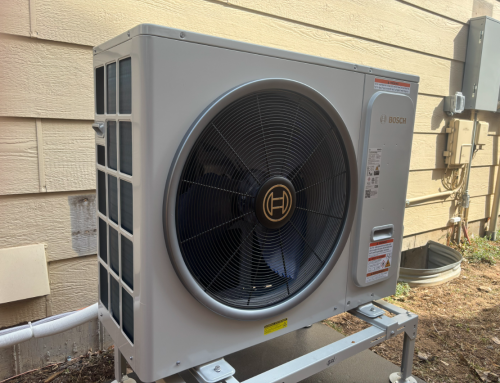
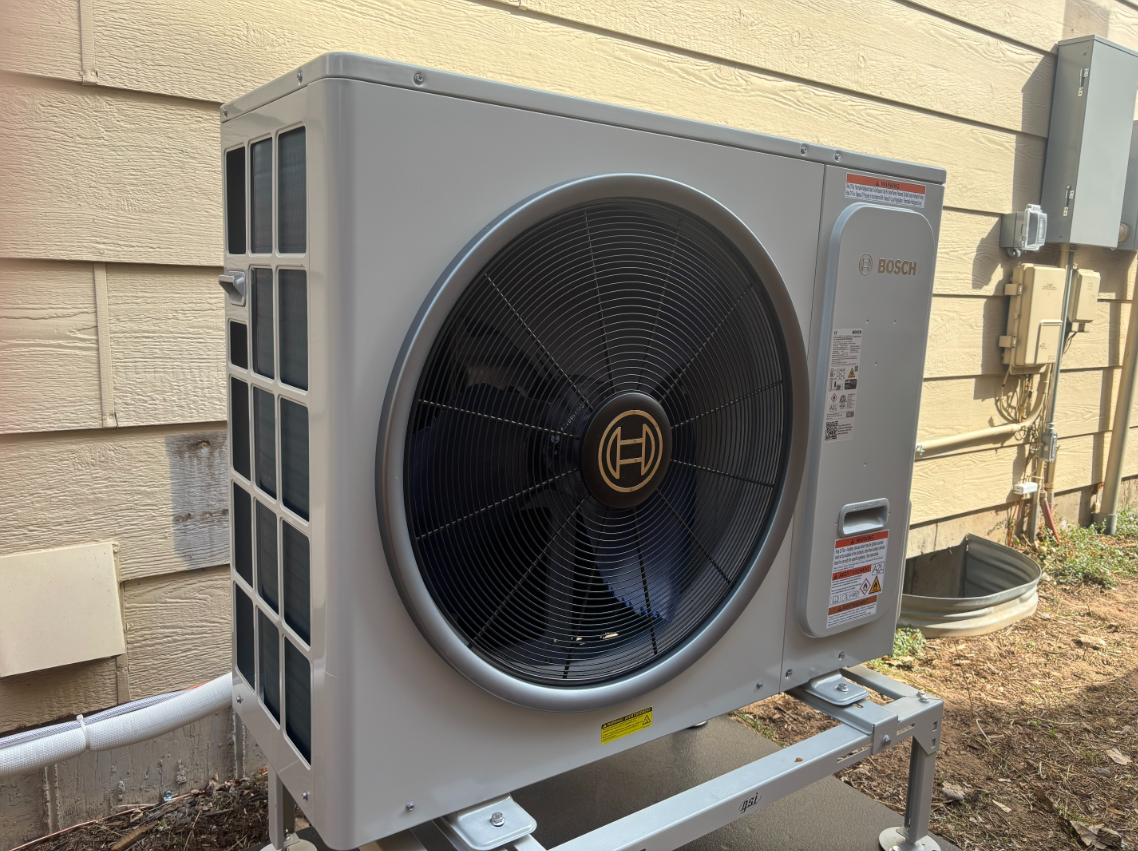
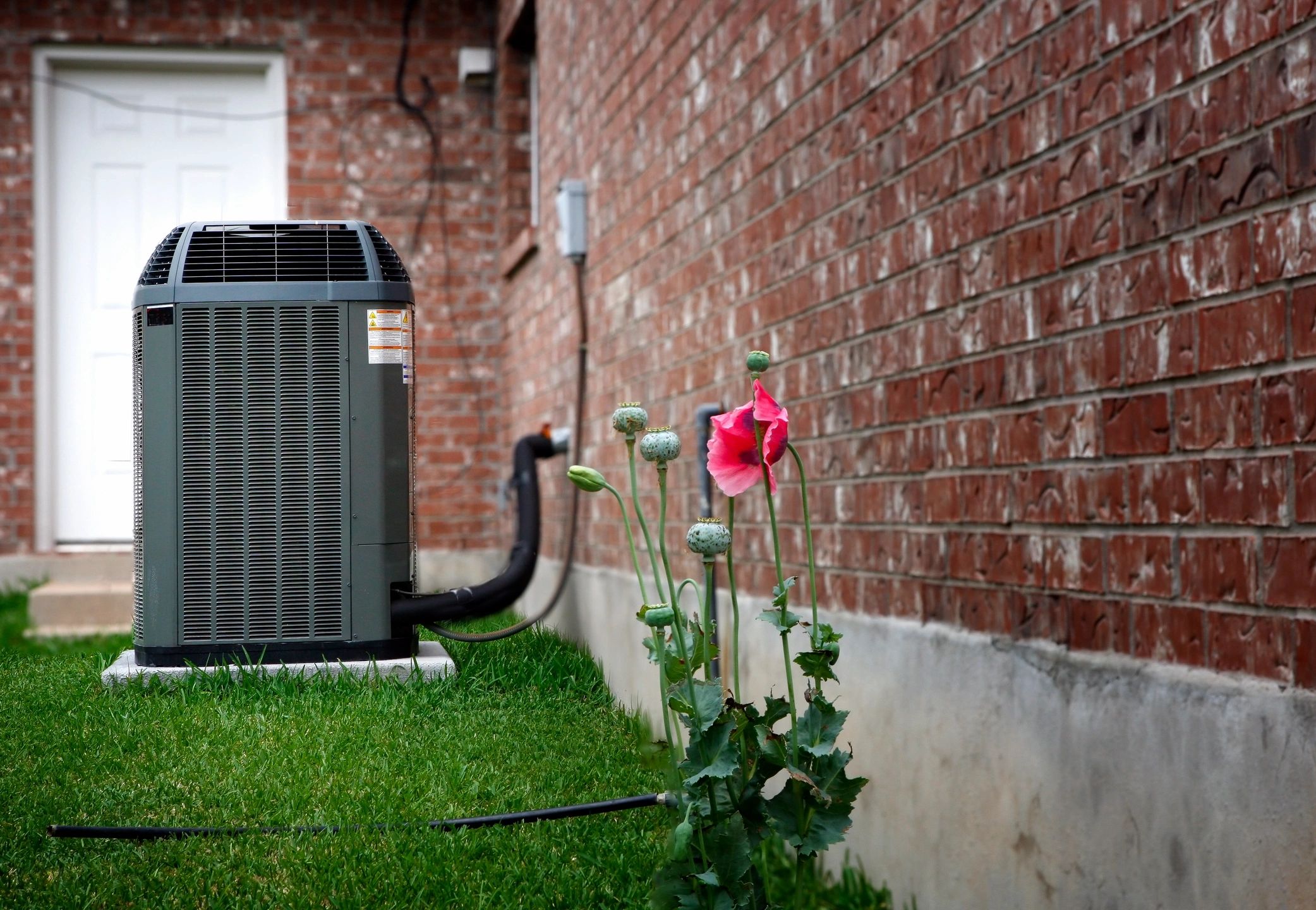
2. Your Outdoor AC Unit Is Dirty
Your outdoor condenser has spent the summer exposed to dust, grass clippings, pollen, leaves and everything else the Hill Country can throw at it. When the condenser coil gets dirty, your AC may have a harder time releasing heat outdoors. That can reduce efficiency and increase run times. Keep vegetation and debris away from the outdoor equipment. Cleaning the coil itself is generally something that can be addressed during professional AC maintenance.
3. Your Thermostat Setting Is Asking a Lot From the System
There’s a big difference between asking your AC to maintain a comfortable indoor temperature and asking it to make your house feel like a walk-in refrigerator during a hot Texas afternoon. The greater the difference between the outdoor temperature and your thermostat setting, the harder and longer your air conditioner may have to run. If the system eventually reaches the desired temperature and cycles off, longer run times may simply reflect the conditions outside.
If it never reaches the thermostat setting, that’s more concerning.
4. Your Home May Be Gaining Too Much Heat
Sometimes the AC isn’t the only culprit. Poor attic insulation, air leaks, older windows, leaky ductwork and intense afternoon sun can all add heat to a home faster than expected. Your air conditioner then has to continuously fight that incoming heat. Closing blinds on sun-facing windows, checking weatherstripping and making sure your attic and ductwork are properly insulated can help reduce the cooling load.
5. Your AC Isn’t Cooling as Efficiently as It Should
A system can still produce cool air while performing considerably below its intended capacity.
Problems involving refrigerant, coils, electrical components, airflow or other mechanical issues can cause the AC to run longer while delivering less cooling.
Some warning signs include:
- Air from the vents doesn’t feel as cool as it used to.
- Certain rooms are noticeably warmer than others.
- The system struggles to reach the thermostat setting.
- Your energy bills have increased unexpectedly.
- You hear new or unusual noises.
- The AC repeatedly runs for extremely long periods.
- The system starts and stops unusually frequently.
Those are good reasons to have the system professionally inspected rather than simply accepting longer run times as “Texas being Texas.”
6. Your AC May Be Getting Old
Air conditioners don’t suddenly become old on their birthday. Performance often declines gradually. An older system may run a little longer each year. Repairs may become more frequent. Electric bills can creep upward. The house may not feel quite as comfortable as it once did. After another long Texas summer, September is actually a great time to evaluate how your system performed.
- Did it keep the house comfortable?
- Did it require repairs?
- Were some rooms consistently hot?
- Did your utility bills surprise you?
- Did you spend the summer wondering whether the AC would make it through August?
If several of those sound familiar, it may be worth discussing whether continued repairs or AC replacement makes more sense before another Texas summer arrives.
7. Your System Could Be the Wrong Size
Bigger isn’t always better when it comes to air conditioning. An undersized system may struggle to keep up on hot days and run nearly continuously. An oversized system can create its own problems by cooling the house too quickly, shutting down and repeatedly starting again. Proper HVAC sizing takes the home itself into account—not just its square footage.
If constant running has been an issue since the system was installed, system sizing and ductwork are worth considering.
Is It Bad for an AC to Run for a Long Time?
Not necessarily. Modern air conditioning systems can operate for extended cycles, especially during hot weather. In fact, a properly sized system may run longer on particularly hot days while maintaining a steady, comfortable indoor temperature. The bigger question is whether the system is actually keeping up.
An AC that runs for long periods while maintaining your desired temperature can be normal. An AC that runs constantly while the indoor temperature continues climbing may have a problem.
Don’t Ignore What Your AC Told You This Summer
September gives Texas Hill Country homeowners a useful opportunity to look back at the cooling season while the experience is still fresh. If your AC struggled through July and August, don’t automatically forget about it once cooler weather finally arrives. A system that barely survived this summer isn’t likely to become younger or more efficient before the next one. Having problems diagnosed now gives you time to make a thoughtful decision instead of waiting until an AC failure during the hottest week of next summer forces the issue.
AC Help in Blanco and the Texas Hill Country
Apache Air & Heat helps homeowners throughout Blanco and the surrounding Texas Hill Country keep their homes comfortable through our long cooling season.
Whether your AC needs maintenance, a repair or it’s time to start discussing replacement options, our team can inspect the system, explain what we find and help you determine the appropriate next step.
Frequently Asked Questions
Why does my AC run constantly when it’s hot outside?
Longer cooling cycles can be normal during hot Texas weather because your AC is continuously removing heat entering the home. If the system maintains the thermostat setting and your home remains comfortable, longer cycles aren’t necessarily a sign of trouble.
Should my AC still be running a lot in September in Texas?
It certainly can. September in the Texas Hill Country can still include warm or hot afternoons that require substantial air conditioning. The calendar doesn’t determine your cooling demand—the weather does.
Why is my AC running but not reaching the thermostat temperature?
Restricted airflow, dirty equipment, duct problems, mechanical issues or an improperly sized system are among the possibilities. If your AC consistently can’t reach the thermostat setting, having it professionally inspected is a good idea.
Does a dirty air filter make an AC run longer?
Yes. A dirty filter can restrict airflow, making it more difficult for your HVAC system to circulate conditioned air through the home.
Should I replace my AC before it completely stops working?
Replacement doesn’t always have to wait for complete failure. If an older system needs frequent repairs, struggles to maintain comfort or has become increasingly expensive to operate, planning ahead can give you more time to evaluate your options.
When should I call Apache Air & Heat?
If your air conditioner is running constantly without keeping your home comfortable, making unusual noises, producing weak airflow or showing other changes in performance, it’s a good time to have the system checked. Apache Air & Heat serves homeowners in Blanco and communities throughout the Texas Hill Country.